Understanding Cutover: A Comprehensive Guide for Project Managers

Introduction
Cutover is the controlled move from a legacy system, process or organisation to the new one in the live production environment. It covers more than deploying code: data migration, freezes and downtime, ramp-down and ramp-up of operations, go/no-go decisions, rollback and the first weeks of live support are all part of it. Cutover management is the discipline of planning, rehearsing and running that move.
This guide explains what cutover is, why it matters and the steps involved, using the three-phase CMS cutover framework: initialisation, preparation and execution.
What is Cutover?
Cutover is the systematic process of transitioning from an existing IT system to a new one. It marks the point at which a new system becomes operational, replacing the legacy system. This transition is crucial for maintaining business operations during the change period and involves several preparatory tasks to ensure the new system functions optimally within the production environment.
Key Characteristics of Cutover
- Time-Sensitive: Cutover activities are typically completed within a constrained timeframe, often referred to as the “cutover weekend.”
- Critical for Business Continuity: Proper planning and execution are essential to minimize disruptions to business operations.
- Comprehensive Planning: Involves developing a detailed strategy, assigning roles, and establishing communication protocols.
Why is Cutover Important?
Cutover is vital for several reasons:
- Operational Continuity: Ensures that business operations continue smoothly during the transition.
- Risk Mitigation: Proper planning and execution reduce the risk of system failures and data loss.
- Efficiency: A well-executed cutover minimizes downtime and ensures that the new system is fully operational as quickly as possible.
Components of a Comprehensive Cutover Plan
A well-crafted cutover plan is essential for a successful transition. It typically includes the following components:
Pre-Cutover Tasks
- Data Backup: Ensuring all critical data is backed up before the transition.
- System Readiness Verification: Confirming that the new system is ready for implementation.
- Stakeholder Communication: Informing all relevant parties about the cutover schedule and their roles.
Cutover Execution
- Data Migration: Transferring data from the legacy system to the new system.
- System Configuration: Setting up the new system within the production environment.
- Functionality Validation: Ensuring that the new system works as intended.
Post-Cutover Tasks
- System Checks: Conducting thorough checks to ensure the new system is functioning correctly.
- Data Integrity Confirmation: Verifying that all data has been accurately transferred.
- User Support: Providing support to users to ensure they can effectively use the new system.
Strategic Planning for Effective Cutover
Developing an effective cutover strategy involves several key steps:
- Early Engagement: Begin planning early in the project lifecycle and continuously refine the strategy.
- Timing Considerations: Select the optimal timing for cutover to minimize business disruptions.
- Resource Allocation: Assign roles and responsibilities clearly.
- Communication Frameworks: Establish clear communication protocols to keep all stakeholders informed.
Cutover Implementation Approaches
There are several approaches to executing a cutover, each with its own advantages and considerations:
- Direct Conversion: Replacing the old system with the new one in a single event. This approach is quick but risky.
- Phased Implementation: Transitioning different system components or organizational units at different times. This approach reduces risk but extends the transition timeline.
- Parallel Operation: Running both the old and new systems simultaneously for a defined period. This approach provides maximal verification capabilities but requires additional resources.
The Cutover Framework for Successful Go Live
The Cutover Framework provides a structured approach to ensure effective collaboration and minimize business impact during the Go-Live phase. Here are the seven essential steps based on the Cutover Framework:
Cutover Initialization:
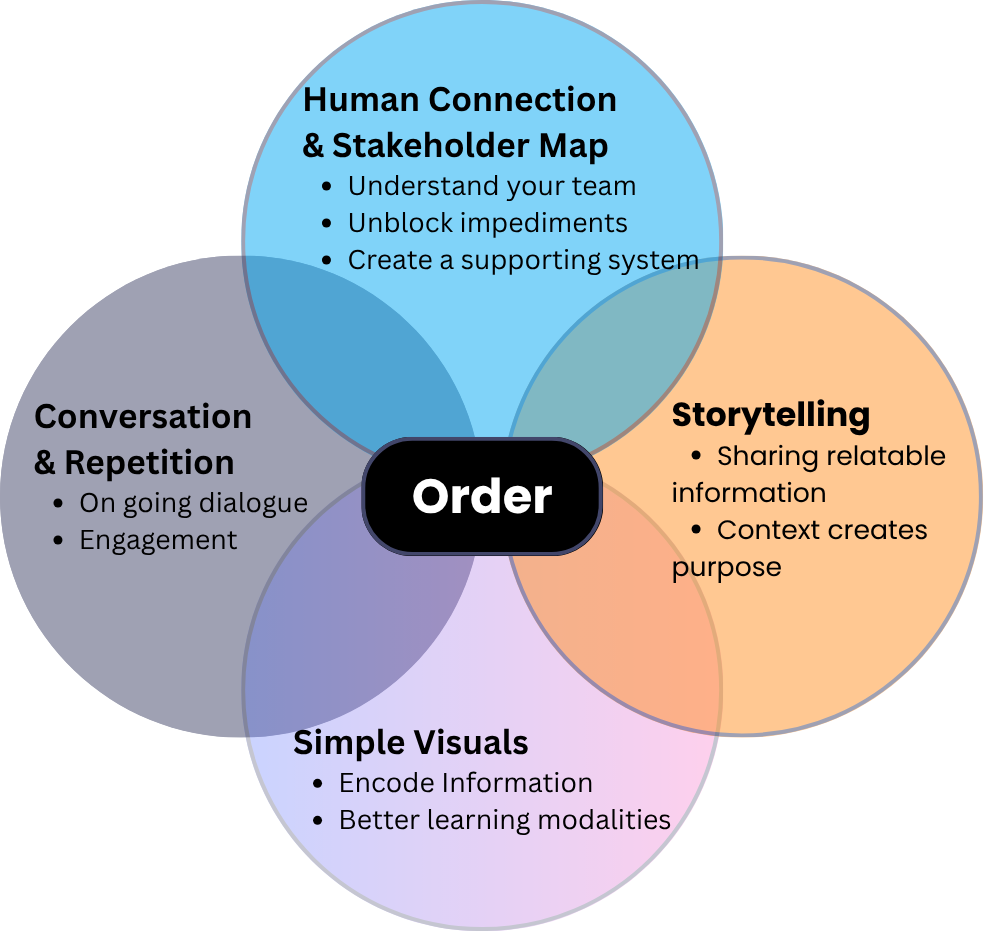
- Stakeholders Map: Conduct one-on-one meetings to introduce stakeholders, understand roles, and explain key cutover principles.
- Scope Identification: Identify all areas involved through meetings with key personnel to build a comprehensive picture of the project scope.
- Kick-Off Meeting: Align all stakeholders, ensuring everyone is on the same page regarding the project’s goals and expectations.
Cutover Preparation:
- Cutover Workshops: Define a detailed plan through weekly meetings with key groups, addressing technical and business impacts and cross-functional concerns. Start from our free Excel or cutover plan template for Google Sheets.
- Dress Rehearsal: Test and validate the sequence of tasks, evaluate timings, identify gaps, and conduct retrospectives to improve the process.
- Retrospective: Analyze what went well and what can be improved, applying lessons learned to future rehearsals or the actual cutover.
Cutover Execution:
- Go Live: Execute the cutover with task orchestration among all actors, ensuring all prerequisites and approvals are in place.
- Early Life Support (ELS): Provide support during the warranty period, including daily triage calls and follow-up on post-Go-Live activities.
Practical Tips for Cutover Success
- Prepare for Contingencies: Develop comprehensive contingency plans for various failure scenarios.
- Communication Effectiveness: Implement multi-level verification procedures for critical communication.
- Early Implementation Planning: Integrate cutover considerations into the broader implementation timeline.
- Thorough Testing Regimens: Conduct multiple rehearsals to identify process gaps and optimize the transition approach.
Conclusion
Cutover is a critical process in IT system transitions, requiring careful planning and execution to ensure operational continuity. By understanding the key components and best practices for cutover, project managers can navigate this complex process effectively, minimizing disruptions and ensuring a successful transition to new systems.
Planning an SAP, Workday or EPR go-live?
Cutover is a discipline of its own, not a side task for the project manager, and it is easiest to shape early. Need a cutover manager for your SAP S/4HANA, Workday or EPR programme? Book a call. Already running your first cutover? Book a Cutover Health Check to find out how ready it really is.